Episode Transcript
[00:00:00] Speaker A: Happy PFD and our Beta Winners Month,
[00:00:04] Speaker B: presented by Feed Matters with host Jacqueline Peterson and Dr. Haley Estrom.
Feeding Does Matter.
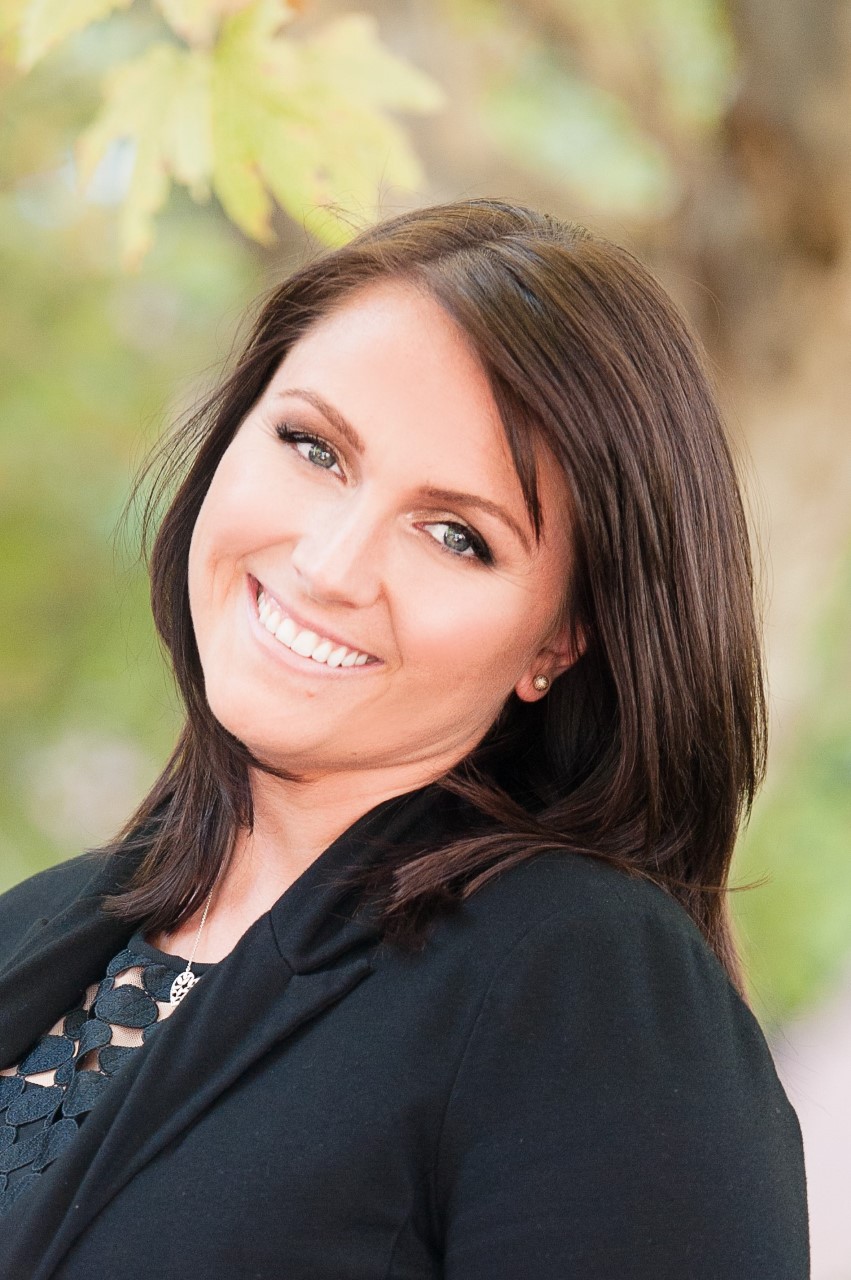
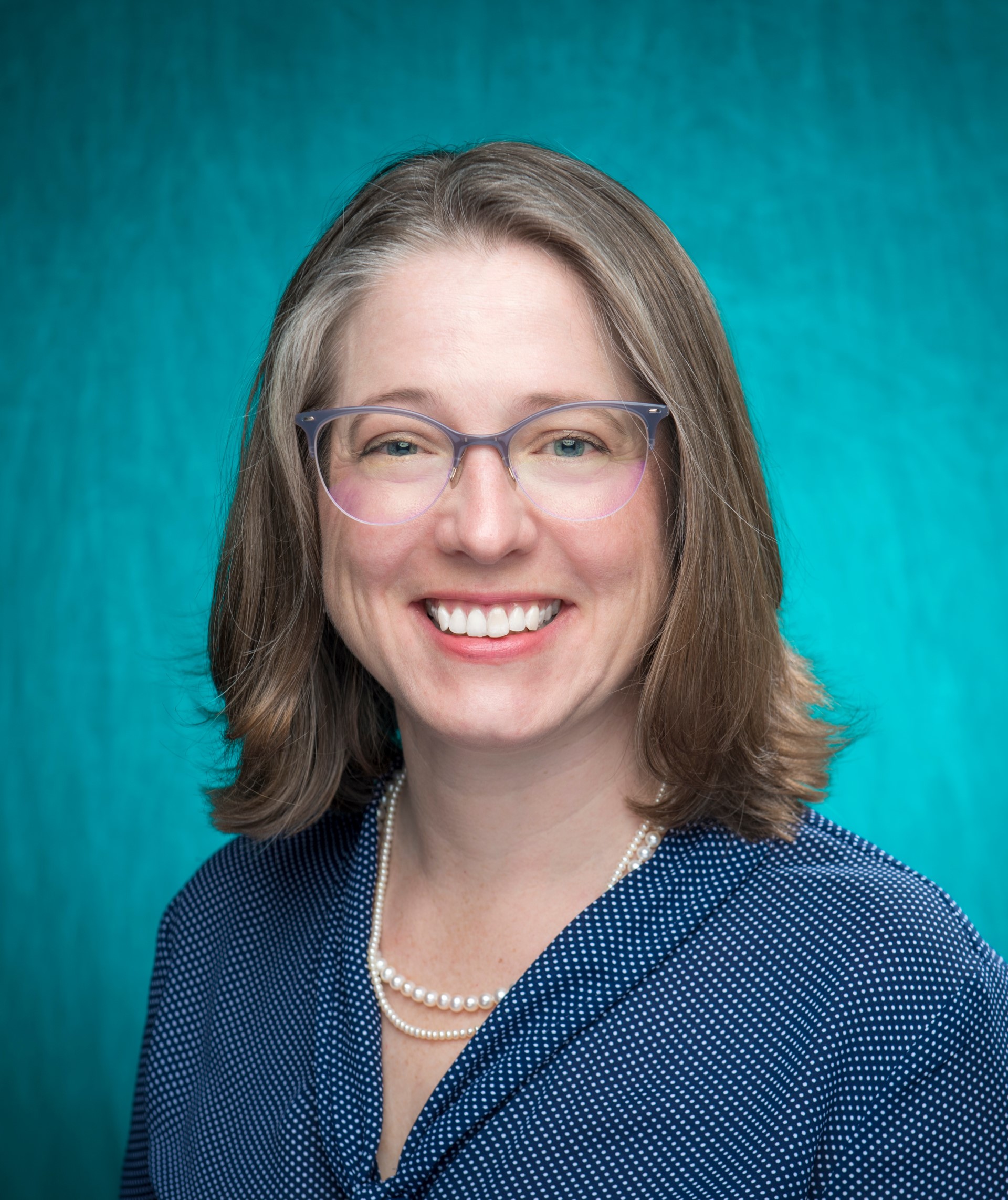
Hey, everyone. Welcome to Feeding Does Matter. We figured it would be really appropriate to have our podcast drop this week with our feedback, founder and emeritus board member Shannon Goldwater, and a conversation with Dr. Colin Rudolph, who is a pediatric GI, retired now, but was a pediatric GI and was founding medical professional council member of Feeding Matters and was such an early, early strategic partner and advisor to us at the very, very beginning. And that's what you'll hear in this intimate conversation with them as they share memories from early Popsicle days.
And really, it was a great conversation because it. It also, you know, there were some themes that came up that I'm excited for you all to see because I hope that they're things that we still continue to work on and to stay a part of who Feeding Matters is. And that's that we might not have all of the answers, but we have to do better for our community.
And we often can do that by setting ego aside, being humble and curious, and ensuring that lived experience is at the table.
So enjoy the conversation. Thanks.
[00:01:31] Speaker C: Bye.
[00:01:33] Speaker A: No, I. Colin may have to correct my memory, though, because I think it might have been Dana Williams who first connected us, who reached out to you and said, there's this group and. And of moms.
And it was in the summer of 2008, and I was on vacation on a girls trip in Utah, and you were so busy, but you agreed to talk to me on a Saturday or Sunday morning, and you were in your Jacuzzi.
[00:02:08] Speaker C: I was in a hot tub. Yep.
[00:02:10] Speaker A: And I was in the hot tub in Utah.
And we were. We were laughing about it.
And you are the one who led the charge forward and said to me, there's so many other people I think you need to have as part of this discussion, and you are really the person that pulled all those people in together for what would become our very first formal meeting.
[00:02:42] Speaker C: I wouldn't say I did that. I give you the credit, not me. The credit.
[00:02:46] Speaker A: Yes, I would say so because. Because I'm sure you thought it was a little crazy.
[00:02:53] Speaker B: Yeah, I was gonna say, what's your. What was your pitch to Colin when you first called? Because at that point, Feeding Matters was. Popsicle center was very new.
Was it even Popsicle yet? Or it was just kind of.
[00:03:04] Speaker A: No, no, it was Popsicle for sure. Which is part of what probably made
[00:03:07] Speaker B: him think, who am I calling this crazy, Shannon?
[00:03:12] Speaker C: No, you know, it was interesting.
Yeah. My.
I Think you're right. I think it was Daniel Williams. But my first question to them was, is she one of the crazies?
You know, because there, at that point there were people that just would start these organizations and it was like they got their ego out of it. I mean, that's, they weren't doing it for the right reasons. They were doing it for themselves, for some of these parent initiated interest groups. You know, there was, there was one around gastroesophageal reflux. And they were just pushing a bunch of really poor information out there.
And so when I was asked to talk to Shannon, I was promised that she's not crazy.
She really listens and wants to do the right thing.
And that's when, when we have this phone call. And I thought this would be, you know, a relatively brief 10 minute discussion or something. I think we were on, on the phone for like two hours.
[00:04:30] Speaker A: Absolutely.
[00:04:30] Speaker C: And I was turning into a prune.
[00:04:33] Speaker A: We were talking about it, I think both of us.
[00:04:35] Speaker C: Yeah.
But it was the discussion of really the lack of consensus and the lack of attention to this particular issue.
And at that point.
What year was that?
[00:04:56] Speaker A: I think it was 08.
[00:04:59] Speaker C: Yeah. And at that point I gotten involved in feeding disorders. Difficult. You know, kids with difficulty feeding.
Just by chance, I mean.
[00:05:17] Speaker B: Yeah. How did you find that? Because that was at Children's Hospital of Wisconsin.
[00:05:22] Speaker C: No, it was in Cincinnati.
[00:05:24] Speaker B: Oh, that's right. That's right, Colin.
[00:05:25] Speaker C: Yeah. So I moved to Cincinnati and I know pediatric gastroenterologist, young budding pediatric gastroenterologist, doing lab work and other things.
And shortly after I moved there, I was at a very young age of 37, diagnosed with colon cancer.
So all of a sudden it was like, what am I doing with my life? You know?
[00:05:48] Speaker B: Yeah.
[00:05:49] Speaker C: So I was on a pretty clear track.
I had become kind of an expert in motility disorders and reflux, things of that sort.
And there was, you know, we followed kids at that point that had short bowel syndrome and the kind of overwhelming approach. At that point, we didn't really worry about them eating or being exposed to food.
We were worried about them absorbing enough food to grow.
So the, the concept of them taking oral feeds was not on our minds as pediatric gastroenterologists. Now, it was an oversight in retrospect, but we didn't know.
And so we were, I was, you know, faced with kids that were ready to eat orally, but they had never done it and they didn't know how.
And that's when I started to, you know, engage with the Occupational therapists and speech pathologists and people, too, a little bit. But there was already, when I got to Cincinnati, a group that had developed some piece of the interdisciplinary approach without a physician.
So it was Claire Miller was a speech and language pathologist, Kathy Santoro was a dietitian, and Kathy Burklow was a psychologist, pediatric psychologist involved, and really bright group of young women, totally dedicated to this. And they met once a month or something. And somehow one of them, I think it was Kathy Santoro, worked with me in the clinics, and she convinced me to at least talk with these folks. And so then I started going to their clinic and focusing on this. These patients, because I wasn't in the lab, I was getting chemotherapy. It's like, what else am I going to do? Okay, I'll do this.
And I kind of found it fascinating that we didn't know what we were doing.
And my role was to make sure they didn't have something else impacting their feeding. And the reality is most of them were so complex, we didn't know what was going on, which was still the situation. Most. Yeah, still for some of these kids.
But that evolved mainly because Children's Hospital Cincinnati at that point was financially one of the better off children's hospitals by far.
And there was also another population that this group was seeing, which were children referred by the ENT group, which was Dana Link Williams, but also Robin Cotton, who was one of the leaders in the world in repairing clefts of the larynx. And those kids obviously had issues with learning to feed after the clefts had been repaired, because they hadn't been fed, because they'd aspirate when they fed.
So that he, because he was a pediatric ent, and brought in huge amounts of money to the hospital, help push to get support for the development of this clinic, and was really a proponent of saying, we need these kids taken care of. I can fix their cleft, but they. We want them.
[00:09:35] Speaker B: Yeah, but they still need support. Yeah.
[00:09:37] Speaker C: And so then one of the nurses in the pediatric GI clinic that I've been working with, a woman named Debbie Mason, took over as coordinator.
And I would credit Debbie as being the proponent of multidisciplinary care.
She really coined the structure and developed the kind of organizational approach that evolved over time into, you know, the feeding, multidisciplinary feeding clinic that we have there are interdisciplinary.
And so that kind of was the beginning of that process. And during it, we realized we needed to describe the structure.
You know, I'd be asked to give talks on it because when nobody. There were so few people in the field that when somebody needed to talk on it, if you just did it, you were an expert.
It wasn't like you knew anything special, but you had to describe the structure of how you function with things. And, you know, you became an expert by doing it, you know, and then the more patients you see, the more you kind of understand the complexity and how things play together.
And then we finally published an article on what we were doing. And once you do that, you're really the expert, even though you still really know nothing, you know, but you have at least an organized approach.
[00:11:29] Speaker B: Yes. A little bit of expertise in the organized approach.
[00:11:34] Speaker A: I.
[00:11:34] Speaker C: So that's kind of. And that was the point where you contacted me and we started talking.
[00:11:40] Speaker B: And so your world's clashed in that way.
[00:11:43] Speaker A: Well, and I'm wondering, do you remember what year you moved over to Children's
[00:11:48] Speaker C: of Milwaukee about two, three years later?
19 in 2000.
[00:11:57] Speaker A: Wow. So you were doing this work significantly ahead of when I knew you.
[00:12:03] Speaker C: Yeah, when you contacted me, I. I had been doing it for quite a while with that group. And, you know, I was doing that as well as another group of kids that had GI motility disorders was kind of my focus in life. I was doing a lot on development of guidelines for gastroesophageal reflux, all those type. Those types of things.
So when you.
The pro. The approach to it had evolved quite a bit over years by the time that you knew me.
[00:12:39] Speaker A: Yes. And I. And I recall so explicitly telling you about how upsetting it was to have gone to so many different programs throughout the US with different approaches.
[00:12:52] Speaker C: Yeah.
[00:12:53] Speaker A: And one approach would work for one child and not for another.
But ultimately I would end up back in my state that didn't have this interdisciplinary team. And I remember just feeling like you were a doctor who really understood and recognized, valued, not just listen. Because there's never been a doctor or therapist who says, I don't care what you have to say. But there's a big difference between, I care what you have to say, I'm listening versus what you're saying matters.
And it's going to help me determine what my next steps are. For your family, with my team, for your family.
And for me, that was so refreshing because that's not typically how it was done. Right. Somebody had a approach, and that was the approach that was used on all children, regardless of the background or the family dynamics. Right.
But. But you really understood that. But you also appreciated what your peers and other practitioners were facing. In terms of not necessarily being in a supportive environment at their institutions to be able to provide the best care. And it's not that they didn't want to. And that's something that I feel like. We went in together, Colin, with the first meeting of. We're going to be bringing a lot of people together that have very different views, who have very different approaches that come from very different backgrounds. And I remember so explicitly in preparation for that very first meeting saying, we have got to focus on all the things we agree upon and put aside all the things that. Yeah.
And it was like magic in that room and in the way that people let their guards down.
And that's what was the start of. And came to be right where. Where everyone started with you all weren't getting these kids soon enough. You started with that. What. What can we all agree on at this table? And that for the field as a whole, whether you're a single practitioner or you're in a major hospital.
[00:15:31] Speaker C: I think. I think the other thing that.
That was important about that meeting was starting with a recognition that we really didn't know what we were doing.
[00:15:43] Speaker B: That's powerful. Yeah.
[00:15:44] Speaker C: Humility.
And I think for the non MD professionals to hear a senior physician who's writing pediatric textbooks say, we don't know what we're doing with these disorders.
And I see patients and I depend on all of these professionals who know a lot more than I do.
But we're trying to then integrate it into a treatment approach that works for the patients. Patient, but also the family.
And that's where I saw people kind of come together because they were like, yeah, we don't know what you're doing. You know. And one of the examples I think I gave there was the frequency with which I'd be referred a patient from a speech and language pathologist or an entire for reflux.
And I knew enough about reflux to know that that was not the problem in this child.
That I don't want them telling me that reflux is the cause of the kid's problem when they don't know what they're talking about.
But I'm not going to tell them that oral motor function is the cause of the kid's problem because I don't know how to address that or I don't know how to address the family dynamics.
And I think that as we all started recognizing our limits, the necessity for multidisciplinary care instead of one approach by one team started to emerge as people were willing to admit their humility.
That's Kind of what I think really happened there. Each of the various groups started to recognize and accept that these are really complex problems. You don't go into it with one specialty. Driving just can't happen because none of us are trained to deal with the complexity of what's going on. And as I remember, our group gave a couple of case presentations, like several of them at that meeting, they were so divergent in which specialty took the four and showed how they evolved over time, that the beginning, it might be the medical specialty that had a big role, and then it would be with a dietitian just to get the kid enough nutrition to eat, to grow.
And then it became speech and language pathologist and the psychologist that kind of would take on varying different roles over time. And that's how we had functioned for years.
And that process had just kind of grown organically in our team.
But it was because we had the opportunity to function as a team for years and develop trust in each other and didn't feel like we had turf battles.
And once you get past the turf battles and agree that everybody has a role, it becomes a lot easier. And the one thing that Debbie taught me, Debbie Mason at the beginning of all that was when we kind of structured our model of. And this was in the original article, I think, of how feeding works and how the feeding team worked.
The patient was in the center, the patient and the family.
And that's what you said.
[00:19:43] Speaker A: And I was.
[00:19:44] Speaker B: Yeah. How. How did you feel about that, Shannon? Kind of like in that room, hearing that from, like.
[00:19:48] Speaker A: Well, that's. That's when I wrote down our logo.
I literally drew our logo as I described it, from the experiences that I'd had that I. My family was in the center, and we saw these four. And I remember putting these circles around the table and writing, but these people weren't communicating. And while they all had the best of intentions, one person had one opinion and would pass you to somebody else.
And then I think another thing that was very humbling for the group during that very first meeting, Colin, was that at that time, and I don't know how much it's really changed, but it seemed to me that there was a level of respect from you as the head of your department, as, you know, with all your credentials as a doctor and in the field, that you valued the people on your team that were often considered.
I don't know if the word support staff, but they weren't treated in the same light. Like you respected what a speech path had to say as much as you respected what another doctor might have to say and you said to the group because you recognized that you were seeing them right. For this medical piece, but these folks were actually seeing them for the day to day, for the functionality.
What are these kids doing? Right. And working directly to understand how that's impacting their relationship so far beyond just the diagnosis, but the dynamics that go into all of that. And that's an area that is lacking amongst many of those different realms, if you will. Right.
[00:21:52] Speaker C: No, I think you're right. I think they.
But, you know, I think that's breaking down across medicine.
[00:21:58] Speaker A: I hope so. That's great.
[00:22:00] Speaker C: I, I hope so too.
You know, the doc, it kind of goes like in the operating room, you couldn't argue with the surgeon when he was, you know, leaving sponges in the, in the, in the body before they close the incision because everybody was scared of the surgeon.
[00:22:17] Speaker B: Right.
[00:22:18] Speaker C: And, and now, you know, everybody would speak up. I mean, it's, there's more of a com, an acceptance that medical care is provided as a team in many, many settings.
[00:22:34] Speaker B: Yeah.
[00:22:35] Speaker C: Back then that was kind of a radical concept.
[00:22:39] Speaker A: It was, it was. And that's what I mean, like to have a doctor there that understood and was willing to champion not just for your own institution, but for the field as a whole. And for me, what was so telling about that meeting was just how much work was accomplished in those two full days. I mean, it was three days, but it was really two full days that not only did you all come together and share your knowledge and expertise from various backgrounds, but then you were able to set aside any differences you had and find out what was the one thing you all had in common, and I remember it so clearly, was you were not being, you were not seeing these kids early enough. You were seeing them after many failed attempts or lots of suffering or lots of passing around without answers.
And it made your jobs that much more difficult. And that's what came to be the Infant and Child feeding questionnaire.
And I still think today that's something that we're so proud of and we want to see integrated into well checked visits.
Right. And at that time, there was something called Bright Futures, remember?
[00:24:03] Speaker C: Yep. And we tried to get it in and it didn't happen.
[00:24:06] Speaker A: Right.
But we charged forward and it's still.
Right. We have done the research now.
[00:24:13] Speaker B: Yeah. Now there's more credibility to that. Ask.
[00:24:16] Speaker A: Correct.
[00:24:16] Speaker B: And that's what I think has been so impressive about the work that you all did in those early years, which was, we see there's an issue. We know there's an issue, but there's no literature that we can point to that says what we know we need to do. And you all built that together.
[00:24:33] Speaker C: I give Feeding Matters Previously Popsicle a lot of credit for pulling that group together and driving it. And that was your vision, Shannon. I mean, it was, you know, funding people to get there.
[00:24:49] Speaker A: Right, Right.
[00:24:50] Speaker C: But that was a huge barrier. You know, there was.
There was like no meeting where you'd have the pediatricians and speech pathologists and psychologists and occupational therapists that were interested in this all attending it because we all had to attend our specialty meetings. And there was only so much money to go around in the budgets and time to do that. And what, you know, a big part of facilitating that process, I hate to say it, was the money you provided to get people there.
[00:25:27] Speaker B: Yeah.
[00:25:27] Speaker A: Yes. But on the same.
[00:25:28] Speaker C: And then you ran a great, fun meeting as well, so.
[00:25:32] Speaker A: Well, in the same vein, all of you volunteered your time. You know, we got you there, but all of you gave so freely of your time that weekend and your talent. And I think it's also really extraordinary, Jacqueline, to point out that that. That questionnaire, that the research that's gone into it since I can remember, you know, just as a mom being there, not really understanding what it was going to take, because it was something like 18 different studies. I can't remember, Colin, but because each questionnaire was based on, well, checked the visits that you'd have.
Birth to five or birth to three, I think it was.
[00:26:18] Speaker B: Yep, birth to three.
[00:26:20] Speaker A: At each check, the questions would have to be different, and it had to incorporate all four domains. I mean, it's quite miraculous, really, if you think about it, that this, you know, startup grassroots organization has not only done this, but withstood others trying to come forward and do this.
But I think what sets us apart is that we say, like you did call into the group. We don't have all the answers, and we don't think any one person does yet. What we do have is a voice here to provide the most credible information that we can. That includes a variety of voices and perspectives, because until the science is there, until the research is done, until we have the kind of funding that we need, we would be doing a disservice not only to families, but to the medical community.
And we've really always tried to be a neutral voice. And, Jacqueline, you do, and Chris Lynn did a beautiful job of that as our first CEO. And now you're carrying that on, which I think is. Is something today to really be proud of. But I think a lot of that came from that first meeting with you, Colin, with all of us being there and everybody sort of setting up what are, you know, what are going to be our guiding principles here.
[00:28:00] Speaker B: Right.
[00:28:01] Speaker A: In addition to this work.
[00:28:03] Speaker C: I think you're right. It was a great meeting.
But I think what was.
Was special about it was the people that were there very quickly gelled and were able to put behind the territorial disputes, so to speak, when they realized that everybody had the same goal. Nobody was trying to establish themselves as the guru.
Yeah, all of this stuff.
And part of that was establishing that we really don't know what we're doing most of the time, that there's very little data.
And I think there was enough consensus around that that then you were able to get people together to start thinking about how we could gather the data. But also in that room, there was a tremendous amount of accumulated knowledge and experience of people that have grappled with all sorts of different patients, all sorts of different families and situations and, you know, variabilities in patient populations that stilted their view. I mean, I had, I had views that were based on my exposure to probably the biggest ENT practice in the world that had, you know, with laryngeal. Laryngeal disorders and you know, just having dealt with those populations and short bowel syndrome populations and things like that. And then other people had populations that were primarily behavioral based family dynamic disorders. And you know, so that seeing the diversity of what we did, but also seeing where it all came together was something that didn't take long. And there were a couple of people that really initially were extremely rigid and this is the way you do it and this is what's going on.
And the group kind of ganged up on them and. And then they backed down and started to say, oh, okay, I see how we're doing this.
[00:30:35] Speaker A: But I also.
[00:30:36] Speaker C: They participated.
[00:30:38] Speaker A: Well, I remember something else too, and I think, Jacqueline, I'd love for you to speak to this because I think it still happens today, and I think it's been happening a lot with the PFD versus ARFIT is that we realize that depending on your background, the interpretation of a single word, such as behavioral.
[00:30:59] Speaker C: Yep.
[00:31:00] Speaker A: Can have such different meanings depending on your background. And for people can become very defensive over.
And we realized that actually they all wanted and were saying the same things.
[00:31:18] Speaker B: Yes.
[00:31:20] Speaker A: But their word choice based on their background, very different, you know, very greatly. And then people's response to. To it could be very defensive when it really in no way was meant.
[00:31:35] Speaker C: It wasn't meant that way.
[00:31:36] Speaker A: Wasn't meant that way.
[00:31:38] Speaker C: What, what you're talking about is, you know, recognizing that the lost in translation that we know happens between one language and another. You know, when you.
[00:31:48] Speaker B: Yes.
[00:31:50] Speaker C: That happens between specialties.
[00:31:52] Speaker B: Yep.
[00:31:53] Speaker C: Because we have different vocabularies.
[00:31:55] Speaker B: Oh for sure.
[00:31:56] Speaker C: And so that adds to the challenge. I think that, you know, the work that, that you've done as an organization has helped with that defining things better. I, I think the ARFID verse, Pediatric feeding disorders differentiation kind of happened historically. I mean part of it pfds was directing ourselves towards wanting an ICD 9 code now 10 code so the people could build more intelligently and we could actually see what the numbers are out there of children with these disorders.
The ARFID thing was more for the dsm.
[00:32:54] Speaker B: Yeah, well, and I mean that's like age old thing.
[00:32:56] Speaker C: Behavioral and medical been out there forever. Right.
And that group was dealing with this but very different populations. One wanting rigid criteria for something, the other one probably wanted a little more open criteria because one was dealing with billing and one was dealing with, you know, diagnoses and research diagnoses and a different realm. I mean they didn't recognize, they didn't.
They were only looking at one domain.
[00:33:36] Speaker B: Yeah, it was very like very, very much lens driven, kind of like Shannon was mentioning. And that's what I think because you're right in the sense that we wanted the diagnostic code for billing and to be able to understand prevalence and research and do all of these things. But what I also really liked that you did. And this is kind of fast forwarding you all a bit from that initial meeting to then our PFD consensus meeting, which is, yeah, everybody came to the table from their own specialty, their own discipline, their own background, using words that maybe meant something different to someone else, even though they used the same word or using different words when they meant the same thing. And I feel like a big aha in many of the consensus meetings. It sounds like the first one and I know in the PFD one and the one since, it's been this acknowledgment that we've got to make space for. What is that translation? Are we understanding one another? And I think that you pointed this out, Colin, and it's been something that at least I've witnessed in the consensus meetings. I've been a part of knowing I haven't been a part of all of Feeding Matters history. But it sounds like it was happening this whole time, which is can we set ego aside?
Can we be open and curious and humble for the better good and the greater good? And can we really think about how do we understand each other to move this field forward? And the PFD work was so cool in that it was a shared language amongst many disciplines. And I feel like it's not only for billing, but it's that shared language that's so powerful from it.
[00:35:05] Speaker A: And I think it's so powerful for parents too.
[00:35:09] Speaker C: In the first meeting, what was interesting is it wasn't just different disciplines, but different centers.
[00:35:19] Speaker A: Yes, yes.
[00:35:21] Speaker C: Different languages they used.
So that even led to more complexity and different settings.
[00:35:27] Speaker A: Right. Some were strictly outpatient individual practitioners, while others were part of huge institutions with research and funding and teams and.
[00:35:40] Speaker C: But I, I think one thing, if we're talking history, that I, I'm going to have to say, Shannon, sorry, I know you're trying to be humble, but none of this wouldn't happened without Shannon's drive. And you demanded, yes, 100% Colin, that people put their egos away.
I mean, as a parent, thank you, but I really pushed, come on, guys, there's kids here, there's children here. And I think that had a big impact.
And I think the other thing was, you know, we had people there as a group that were willing to show up.
[00:36:27] Speaker A: Yes, yes.
[00:36:27] Speaker C: And put their time aside for something like this because they thought it was important.
So, you know, it was a, I mean, as long as I was involved with, with popsicle and feeding matters, it was always you. We always started with, our focus is on the patient, not on each other.
[00:36:50] Speaker A: Yeah, for sure.
[00:36:51] Speaker C: On the, on the families, what they're going through.
And that puts you in a pretty open minded space because.
[00:37:02] Speaker A: Yeah. And I think, and I think, I think that that's how I feel about the name and the paper is that I can remember saying to the group, you know, I'm just so tired of this being treated as a symptom of all these other things. And saying to me, oh, well, it's because they're premature. Okay, but still, still, who's going to help me with the feeding and the cleft palate patient being told, oh, well, it's because you have a cleft palate. But they still need the same trained group of people to be working on all the dynamics. Right. Whether it was cystic fibrosis or a heart condition or quite frankly, we don't have an underlying reason, but it is what it is for whatever reason. Right. Maybe it's a complete lack of appetite. Maybe we'll never really know. This was a way to give. I feel like all the efforts of all of the pioneers, I think you all are, we all are. This organization is a way to create a community that helps right. Children with over 300 different other diagnoses where a disruption to feeding is listed as a symptom.
Yet you talk to those families, you hear those stories, you think about the different cases you've treated, and at the end of the day, they're all still facing and wanting the same outcome, right? That their kids are internally motivated to eat without pain, without discomfort, that they can come to the table or not come to the table. Health, come anywhere and enjoy a meal.
Right. Without there being distress and under recognizing how that affects the whole family.
And I feel like that was kind of an epiphany for everybody in the room. Like, you're right, I'm treating these kids, but I'm, you know, writing down, you know, they have cp, they're premature, they have cystic fibrosis. We're not really identifying this group as its own condition that needs its own set of specialties.
[00:39:14] Speaker C: And that made it almost impossible to get hospital support for multi, you know, multidisciplinary feeding teams to pull these people together to have the time to do this. And.
And it left the families running from one specialty to another that didn't really talk to each other, that really might have different approaches that were correct at a particular phase of that child's evolution in the process of developing healthy feeding, healthy eating.
But they never hand them off because they.
That was their patient, right? They were doing this. Well, it might be that you can do a certain phase of it and a certain part of it, but you can't do the other part. So understanding the evolution of the process.
[00:40:13] Speaker A: Well, this goes back to the time when I think about what you were saying. I just want to remind you of a story that happened when my kids actually became patients of Children's of Wisconsin. I'll never forget it.
They were 10 years old at this time, and we brought them there. And it was the first time somebody said to me, and I still give this advice to this day, where do we start?
It was, what is the thing, Bob and Shannon, that gives you, as parents, the most heartache day in and day out? And it turned out it wasn't that they weren't actually eating. It wasn't that they were actually on feeding tubes.
It was the pain and suffering and the complaining and the crying and the fear that was associated with mealtimes, whether they were Being asked to eat anything or not, just the stress of coming to the table. And when we started working from that place, then other things began to build. And one of those things was, hey, you know, Megan really eats a lot. It's just drinking. I think we should get ENT involved. I remember Amy Delaney saying this and you agreeing, yes, let's call Dr. Suleman the ENT.
And I was thinking, oh, man, I've been to ENTs. You know, she's had swallow studies. Here we go again.
And I remember showing up at that appointment and not only was Dr. Suleman there, but Dr. Amy Delaney was there too, the speech path. And I said, oh my gosh, I didn't know you were going to be here. And Dr. Suleman said, I would never see a patient with complex feeding issues without consulting with the speech and language pathologist. Because I'm looking at the medical piece. They're looking at what your child's doing functionally and to compensate for anything else. And together we need to assess what's happening. So they did this fees study at the time it was called, and they came to me and said, did you know that Megan's using her tonsils to protect her airway? And it's much easier to drink or to eat food and protect your airway than it is actually to drink and protect your airway. And the problem is if we remove Megan's tonsils and she might not be able to protect her airway. However, if we don't remove her tonsils, then she's always going to have pain when drinking liquid because it's dropping down into her voice box.
So we made the decision to remove Megan's tonsils. And here we'd had 10 years of therapy every week that insurance paid for PT, OT speech, never getting Megan to drink.
And within six months on her own, she, after having her tonsils removed, she went from drinking maybe four ounces a day, which was filled with tears and, you know, TV and take a bite and punishment and reward and just a nightmare to her, drinking over 30 ounces a day on her own. She gained 20 pounds and a year and a half later got her feeding tube removed.
And I, I remember it so clearly and thinking, my God, the pain, the suffering, the cost to the system that this cost from people not being able to work together, from not having the funding that I've always hoped that with that diagnosis could come more of those complimentary approaches that really saved the system.
She'd still maybe to this day not be off a tube if those two disciplines hadn't come together no matter how much Amy had been doing individually or an ENT had been.
And that's, I guess, the beauty. When we say take your place at the table, we really mean every voice counts, whether it's the child, the parent, the GI doctor, the speech path, the nutritionist, right down to, like you said, the support coordinators who do the behind the scenes.
[00:44:48] Speaker C: And I think you just, you, your story exemplifies everything that I believe and that, that pushed my advocating for multidisciplinary approaches and teams where you let your ego go and kind of an acceptance and a belief in expertise across groups.
And over time, you know, I can say I became a much better ent, so to speak, because I'd see kids and then I'd see, would work with the ents and you know, learn stuff. And I, I mean I knew more about ENT things that would cause feeding issues than most ENTs did. But that's from years of doing it. And across a team, you, you all get educated.
And that's part of where, you know, I, I watched, I mean, I feel quite proud of how the team in Cincinnati that I built went on with that group of expert individuals to continue to treat kids that do a great job. And then I went on to, you know, Milwaukee. That team is still thriving.
Those people have gone on to build teams in other, other locations. And that's how a field evolves. It takes years, decades of people seeing a model, seeing it works and moving on, but you need the support for it. And one of the key individuals in that process, one, it's time. But two, it's that coordinator position interfaces with the family. So they're getting one story, one consistent approach that's making sure that things are not only communicating well, but what's going on with the actual family and patient is being communicated back to the team when it's not going well.
And that position doesn't get paid for by billing by anything else.
And that's where hospitals have to cough up the money and give real support.
And it's an incredibly time intensive position and it's hard.
And you need somebody with a medical background, like a nurse that knows how to coordinate things.
It's sophisticated to take and translate the language and to translate it to the family.
And they have to be doing it long enough that they understand to translate to the family.
And they also sometimes have to translate to the fact family.
No, you don't have access to Dr. Rudolph now because he's got X number of other things. He has to do in patients he's taken care of. And, you know, he doesn't just do feeding. He does all these other pediatric GI things.
But it's a tough role. It's a tough role. It's a really tough role.
[00:48:02] Speaker B: Yeah.
[00:48:03] Speaker C: No, but a critical one, absolutely. To make these teams work.
And I would advocate that every center, every population, every. That's getting a certain amount of Medicare funding, whatever that is part of that they are actually funding feeding teams. And those positions, you know, maybe define
[00:48:27] Speaker B: all the critical positions, what the critical
[00:48:28] Speaker C: positions are, and that they are funded and supported based on, you know, maybe a estimated need by a population.
[00:48:38] Speaker B: Yeah.
[00:48:39] Speaker C: So that in, you know, we had a very long wait for a feeding team business, the wait list are so really long.
We could have had three times as many professionals involved.
But ideally we would have not needed that because there'd be more local professionals. The other, you know, Children's Hospital of Madison didn't have a team.
There was no really good team in any of the Chicago hospitals. I mean, so that almost to require that this service be there for a hospital to get a certain level of care designation would, to me, be kind of the final goal, that then it's successful.
[00:49:32] Speaker B: Yeah.
It's going on our cookie list, Colin. That's like what we describe our big wish list as, is all of our cookie list items.
[00:49:39] Speaker A: Well, and I also want to just add something we haven't talked about, and that's my gratitude for you, Colin, because almost every relationship that we've had at a national level has come from an introduction from you that has led to other introductions and your unwavering belief in us way back in the beginning, when we really were only a parent support organization. That's what we were, right? Meeting in my living room, your backing of us, your belief in what our dreams were as mothers is what gave us the credibility we needed to open doors for your colleagues and others that you knew and respected in the field to give us a chance. And when people in your position are pulled in so many different directions, you know, I just want to say thank you because it's. It's without a doubt been instrumental in who we are today and how much I value you as a person.
[00:50:47] Speaker C: Well, it goes both ways.
[00:50:49] Speaker A: You know, it's just really cool to be on this call with you all these years later and get to see your face and, you know, just to say thank you and hope that you're as proud of the organization and what it's become because of your effort. My effort, you know, it's Leading on with. Without us at the helm. Right. And we're in different points in our own life. And to see the life that Jacqueline and the others on her team are bringing in the future of the organization is. Is actually the biggest compliment, I think. Right. To us is that.
[00:51:30] Speaker C: That's what I was going to say, you know, when I.
You should be very proud. Like I said, I was proud that the FIDI program in Cincinnati and Milwaukee are still vibrant and functioning and that they've gone on people from those programs to establish other programs. And it's kind of like, I think about the people I trained, like you mentioned, Rich Noel, you know, Praveen Godet, I mean, but many others that I train, and I see how they've evolved and are making a difference.
So everything that you and I, Shannon, have done that was great.
But what's even greater is it continues to grow.
[00:52:12] Speaker A: Agreed.
[00:52:13] Speaker C: We've stepped back because we're old and fuddy duddy.
But to see the energy that's still there, to see the new paper and manuscripts coming out, the new ideas that are being generated by all of the people that now participate is really rewarding. It's really nice to see. And, you know, I.
I'll go back, Shannon, and say, you know, the.
That two hour conversation and our respective hot tubs was the beginning of something because you had a clear vision of what was needed and it wasn't about you and your kids. You knew the struggle, you understood it at a very, very deep level, but you had the passion to drive something that.
And you did it with humility. You said, I don't know, but we gotta do better.
[00:53:26] Speaker A: Yes. Thank you. I still feel that way. I still feel that way and so thankful for those that are willing to step in and help guide us. And I think you feel that way too, Jacqueline.
We never pretend to know. It's all about bringing voices and meeting with people and getting different perspectives. We're not running off saying this is how we do it and we're going to charge forward and do it.
You know, we don't want to recreate the. The wheel. Right. We want to work with resources and people that are out there and committed and that surround ourselves. Right. With people they always say. Right. That are. That know more than they're smarter than
[00:54:10] Speaker B: you, know more than you. That's what we hope to do. Yeah.
[00:54:13] Speaker A: Have intentions like you.
[00:54:16] Speaker B: Yes.
[00:54:16] Speaker C: So I.
I wouldn't be so humble if I were you.
You know, as we were talking about at the beginning, the kind of model of the management of feeding disorders and diagnosis and management.
The family was at the center. The way I see it is you've basically, in terms of advocacy and parent education and physi and healthcare professional education, you've taken the role at the center.
You know, you, you pull people together.
It's about the family and the patient progressing and you represent them.
[00:54:59] Speaker B: Yep, I agree.
[00:55:00] Speaker C: And I think that you can't underestimate the importance of that role because once, and that's what Shannon was so good at doing throughout her tenure and went on was to always keep the pettiness of the various healthcare professionals and egos and everything grounded. To say, wait a second, it's about the family and about the patient and respecting them, respecting their needs and listening and then figuring out how to you do it, combined with the humility that we all don't know the right answer. None of us do.
So I think that in that way the organization has been really, really productive and meaningful and is doing exactly what parent run advocacy organizations should do, which is to really focus people on approaching the problem from a patient centered perspective.
And that, you know, all the research and everything else comes after that. But it keeps you focused on.
[00:56:21] Speaker B: Yeah, because it can, you can get so distracted in those big meetings where everyone's got their different perspectives.
[00:56:27] Speaker C: Yeah.
[00:56:27] Speaker B: Well, I just am so appreciative of you both.
It's truly an honor to serve in this position and to have the legacy that you all kind of left in our hands to take on. And what's cool about how you both were talking about how you kind of spread it and those people that you kind of mentored and helped support spread it even further. I think that's what Feeding Matters Community does. Even beyond like the team and the staff, like it now is way beyond even us. We may have been the inspiration behind pfd, but there are worlds in which PFD is being discussed in rooms in which PFD is being discussed where we're not present in. And that's okay and that's how it should be.
And so it's just a truly meaningful moment this year to be able to like celebrate and honor where we've been and where we're going. And you two are huge pillars in that work. And I'm just so grateful to you on behalf of like me personally and then our whole community as well.
[00:57:26] Speaker C: Keep up the good work. Thank you.
[00:57:28] Speaker A: Yeah, keep up the great work because I feel like my heart is so full. I'm going to go tell my family we need to go out and celebrate tonight. Yeah. Taking this walk down memory lane, just. It just feels really good. And I feel so proud and so blessed on so many levels, you know, and just, I have such deep respect and admiration for both of you, so I couldn't say thank you. I couldn't say thank you enough.
[00:57:56] Speaker C: And the feeling is definitely mutual. And it's great to see that things are continuing along.
A lot more to do, right?
[00:58:08] Speaker B: Yeah. It feels like we got a lot
[00:58:09] Speaker A: done, but we still have a lot more to do.
[00:58:11] Speaker C: Don't rest on your laurels.
[00:58:13] Speaker B: No.
[00:58:13] Speaker A: Right.
[00:58:21] Speaker D: It began with a father, Edward Mead Johnson, and his determination to help his son Teddy thrive. In collaboration with Dr. Abraham Jacoby, known as the father of pediatrics, a legacy of clinically inspired innovation was born. Today, that legacy continues through science, research and a deep understanding of pediatric needs. We've led one of the largest global breast milk studies. Because breast milk is the gold standard. It inspires every formula we design in composition, in function, and in outcomes.
Every single batch is tested every batch time.
Because safety and quality aren't just standards, they're our priority.
From innovations like dha, MFGM and LGG to specialized formulas for allergy and prematurity, Our science supports healthy starts.
For 120 years, we've partnered with partnered with pediatricians like you. Advancing nutrition with purpose and care. 120 years leading in pediatric nutrition, rooted in science trusted by generations.
Because every child deserves the best start.